The Peak District
Bakewell > Chatsworth House > Hathersage > Castleton > Mam Tor > Edale > Ladybower Reservoir > Buxton > Tideswell > Monsal Head > Ashford-in-the-Water > Dovedale > Ilam > Bakewell
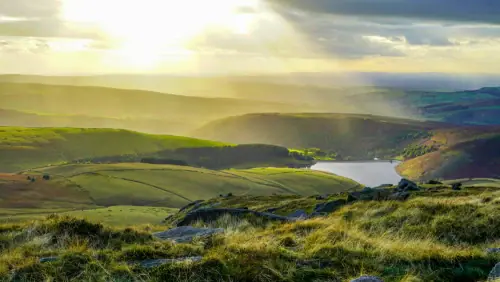
Explore the Peak District on a scenic journey through dramatic moorland, limestone valleys, historic market towns and traditional Derbyshire villages, discovering the contrasting landscapes of the Dark Peak and White Peak.
Explore the Peak District in a Motorhome
Discover the natural beauty and distinctive character of the Peak District National Park on a journey through some of central England's most varied landscapes. From the rugged gritstone ridges and open moorland of the Dark Peak to the limestone valleys, peaceful riversides and traditional stone villages of the White Peak, this region offers an exceptional combination of countryside, heritage and outdoor exploration.
Begin in the historic market town of Bakewell before discovering the impressive surroundings of Chatsworth House and travelling north towards Castleton, Mam Tor and the Hope Valley. Explore the dramatic scenery of Ladybower Reservoir, the elegant spa town of Buxton and the picturesque landscapes of Monsal Dale before continuing towards Dovedale, where limestone cliffs and riverside walking routes reveal another side of the National Park.
Our five-day Peak District itinerary follows a circular route beginning and ending in Bakewell, connecting some of Derbyshire's most recognisable destinations. With carefully selected stops, opportunities for countryside walks and practical advice for motorhome travel, the route provides a structured way to experience the contrasting landscapes, historic attractions and rural character of England's first National Park.
Suggested driving route. Mapbox driving directions do not account for motorhome dimensions; check road restrictions before travelling.
Day 1: Bakewell to Hathersage - Historic Market Towns & Country Estates
Begin your Peak District motorhome road trip in Bakewell, a traditional Derbyshire market town situated beside the River Wye. From here, travel towards the impressive Chatsworth Estate before continuing through Baslow and the Derwent Valley to Hathersage, a welcoming village surrounded by the distinctive gritstone landscapes of the Dark Peak.
Stop 1: Bakewell
Start your journey in Bakewell, one of the Peak District's best-known market towns. Explore its historic streets, independent shops and riverside surroundings before setting off into the National Park.
- River Wye: Enjoy a gentle walk along the river and across Bakewell's historic bridges.
- Bakewell Old House Museum: Discover the town's local history within a historic building.
- Traditional Bakewell pudding: Visit one of the town's bakeries to sample this well-known Derbyshire speciality.
- Independent shops and cafés: Explore the town centre before continuing your journey.
Bakewell is a popular destination, particularly at weekends and during school holidays. Use designated parking that accommodates your motorhome and check any vehicle restrictions before arrival.
Stop 2: Chatsworth House
Continue towards Chatsworth House, one of England's most celebrated country estates. Set within extensive parkland beside the River Derwent, Chatsworth is renowned for its architecture, landscaped gardens, art collections and connections to the Devonshire family.
- Chatsworth House: Explore the historic interiors, art collections and richly decorated rooms when open to visitors.
- Chatsworth Garden: Discover landscaped grounds, water features, sculptures and the estate's famous Cascade.
- Estate parkland: Enjoy the surrounding countryside and views towards the house.
- Farm shop and refreshments: Explore local Derbyshire produce and dining options associated with the estate.
Chatsworth can easily occupy several hours, so decide in advance whether you would prefer to explore the house, gardens or surrounding estate. Admission and opening arrangements vary by season, and parking suitability should be confirmed before visiting.
Stop 3: Baslow
Leaving Chatsworth, travel through Baslow, a traditional Peak District village situated at the edge of the Chatsworth Estate. Its stone buildings, riverside setting and access to nearby countryside make it an attractive short stop.
- Baslow village: Discover traditional Derbyshire architecture and local village character.
- River Derwent: Enjoy peaceful riverside scenery and walking opportunities.
- Baslow Edge: Consider a longer countryside walk for elevated views across the surrounding landscape.
Village streets and parking areas can be restrictive for larger vehicles. If suitable parking is unavailable, continue directly towards Hathersage rather than attempting to access narrow residential roads.
Stop 4: Hathersage
Finish your first day in Hathersage, a village in the Hope Valley with a long history of industry, folklore and outdoor exploration. Surrounded by rolling hills and gritstone edges, it provides a convenient base for discovering the northern Peak District.
- Hathersage village: Explore independent shops, cafés and traditional stone buildings.
- St Michael's Church: Visit the historic churchyard, traditionally associated with the legend of Little John.
- Stanage Edge: Discover one of the Peak District's best-known gritstone escarpments, accessible via local walking routes.
- Hope Valley scenery: Enjoy views towards the surrounding hills and countryside.
Where to stay:
Look for an established campsite or touring park around Hathersage, Hope Valley or the surrounding countryside. Confirm motorhome access, pitch availability and any vehicle size restrictions before booking.
Motorhome travel advice:
Although today's journey covers a relatively compact area, Bakewell, Chatsworth and Hathersage are popular visitor destinations. Allow time for traffic, parking and sightseeing rather than focusing on driving distance. Use established roads between destinations and avoid narrow lanes where vehicle suitability is uncertain.
Day 1 highlights: Bakewell's historic town centre, Chatsworth House and Gardens, the traditional village of Baslow and the gritstone scenery surrounding Hathersage.
Day 2: Hathersage to Edale - Castleton, Mam Tor & the Hope Valley
Continue your Peak District motorhome road trip through the Hope Valley, where limestone hills, gritstone ridges and traditional Derbyshire villages create some of the National Park's most recognisable scenery. Today's journey takes you from Hathersage to Castleton, with opportunities to explore underground caverns, walk towards Mam Tor and discover the peaceful surroundings of Edale.
Stop 1: Hope Valley
Leaving Hathersage, travel west through the Hope Valley, a broad landscape surrounded by some of the Peak District's most distinctive hills. The valley provides a scenic introduction to the northern National Park, with traditional villages, open countryside and views towards the surrounding ridgelines.
- Hope village: Explore a traditional Derbyshire village with local shops, cafés and historic buildings.
- Valley scenery: Enjoy views of the surrounding hills, including Lose Hill and the Great Ridge.
- Walking opportunities: Discover routes connecting the valley's villages and surrounding countryside.
The main roads through the Hope Valley provide access between its principal settlements, although traffic can become busy during weekends and holiday periods. Use designated parking and avoid narrow village lanes where motorhome access is uncertain.
Stop 2: Castleton
Continue to Castleton, one of the Peak District's most popular villages, situated beneath the dramatic limestone slopes of the surrounding hills. Known for its underground caverns, historic buildings and walking routes, Castleton is an excellent place to spend several hours exploring.
- Peak Cavern: Discover an extensive natural cave system beneath the limestone cliffs surrounding Castleton.
- Peveril Castle: Explore the remains of a Norman castle overlooking the village and Hope Valley.
- Castleton village: Browse independent shops, traditional cafés and local attractions.
- Blue John Cavern: Learn about the distinctive Blue John mineral associated with the Castleton area.
Several of Castleton's caves operate guided visits, with opening times and access arrangements varying throughout the year. Check availability and any physical access requirements before travelling.
Stop 3: Mam Tor
From Castleton, explore the landscape surrounding Mam Tor, one of the Peak District's most recognisable hills. Often referred to as the Shivering Mountain, Mam Tor stands above the Hope Valley and offers extensive views across the surrounding countryside.
- Mam Tor summit: Follow the established walking route towards the summit for panoramic views across the Peak District.
- The Great Ridge: Discover the dramatic ridgeline connecting Mam Tor with Hollins Cross and Lose Hill.
- Bronze Age hillfort: Observe the remains of ancient earthworks around the summit.
- Landscape photography: Enjoy views towards Edale, Castleton and the surrounding hills.
Important motorhome advice: Mam Tor is a walking destination rather than a drive-to summit. Parking near the walking access points is limited, and restrictions may apply to larger vehicles. Winnats Pass, near Castleton, is steep and winding and should not be treated as the default route for a motorhome. Check suitable access roads and parking before setting off, and consider alternative walking routes from Castleton if necessary.
Stop 4: Edale
Finish the day in Edale, a small village surrounded by the high moorland of the Dark Peak. Known as the southern starting point of the Pennine Way, Edale provides access to some of the Peak District's most established walking routes and impressive upland scenery.
- Edale village: Discover a peaceful rural settlement surrounded by open hills and countryside.
- Pennine Way: Visit the starting point of one of Britain's best-known long-distance walking trails.
- Grindsbrook Clough: Explore a dramatic valley leading towards the Kinder Scout plateau.
- Kinder Scout: Consider a longer upland walk for experienced walkers equipped for exposed moorland conditions.
Edale is particularly popular with walkers, and the surrounding roads and parking facilities can become busy. Some access roads are narrow, so confirm your vehicle's suitability before travelling into the village.
Where to stay:
Look for an established campsite or touring park in the Edale, Hope Valley or Castleton area. Not all countryside campsites accommodate larger motorhomes, so check vehicle dimensions, access arrangements and available facilities before booking.
Motorhome travel advice:
Today's journey focuses on sightseeing and walking rather than covering a significant distance. Allow plenty of time for Castleton's attractions and Mam Tor, particularly if planning a longer walk. Check weather forecasts before heading onto exposed ridges, and remember that upland conditions can change quickly.
Day 2 highlights: Hope Valley scenery, Castleton's historic caverns, panoramic views from Mam Tor and the peaceful upland landscapes surrounding Edale.
Day 3: Edale to Buxton - Ladybower Reservoir & Historic Spa Towns
Day three of your Peak District motorhome road trip takes you from the upland landscapes of Edale towards the reservoirs and wooded valleys of the northern Peak District. Explore the scenery surrounding Ladybower Reservoir and the Upper Derwent Valley before travelling south to Buxton, a historic spa town renowned for its Georgian architecture, natural mineral water and cultural heritage.
Stop 1: Edale & the Hope Valley
Begin the morning in Edale, surrounded by the dramatic hills and open moorland of the Dark Peak. If you did not have time to explore the village on the previous day, enjoy a short countryside walk before continuing towards the Derwent Valley.
- Edale village: Enjoy the peaceful rural setting and traditional stone buildings.
- Pennine Way: Discover the southern starting point of this historic long-distance walking route.
- Hope Valley: Take in views of the surrounding hills as you travel towards Ladybower Reservoir.
Allow additional time when leaving Edale, as some roads are narrow and may require care when passing other vehicles. Follow suitable established routes rather than relying exclusively on the shortest satnav directions.
Stop 2: Ladybower Reservoir
Continue towards Ladybower Reservoir, one of the Peak District's most recognisable landscapes. Surrounded by wooded hills, open moorland and scenic walking routes, the reservoir forms part of the wider Upper Derwent Valley water supply system.
- Ladybower Reservoir: Enjoy expansive views across the water and surrounding hills.
- Reservoir walking routes: Discover waterside paths and countryside trails suited to different walking abilities.
- Ladybower plugholes: Look out for the reservoir's distinctive circular overflow structures, which are particularly striking when operating after heavy rainfall.
- Landscape photography: Explore viewpoints overlooking the reservoir and surrounding countryside.
Visitor parking around Ladybower can become busy, particularly during weekends and school holidays. Check parking restrictions and vehicle suitability before arrival.
Stop 3: Upper Derwent Valley & Fairholmes
Travel towards Fairholmes Visitor Centre, a popular starting point for exploring the Upper Derwent Valley. The surrounding landscape includes extensive woodland, reservoirs and historic engineering landmarks, providing opportunities for walking, cycling and outdoor exploration.
- Derwent Dam: View the impressive masonry dam associated with the history of the RAF's Dambusters training.
- Fairholmes Visitor Centre: Discover local information, refreshments and access to established walking routes.
- Derwent Reservoir: Explore the peaceful waterside scenery and surrounding woodland.
- Forest trails: Enjoy walking routes through the surrounding countryside.
Important motorhome advice: Access towards Fairholmes involves rural roads, and restrictions may apply to certain sections of the Upper Derwent Valley, particularly at weekends and during busy periods. Confirm current access arrangements, parking availability and motorhome suitability before travelling. If access is unsuitable, enjoy Ladybower from an alternative designated visitor location.
Stop 4: Buxton
Continue south towards Buxton, an elegant spa town situated on the western edge of the Peak District National Park. Known for its thermal springs, Georgian architecture and cultural attractions, Buxton offers a distinctive contrast to the remote moorland and reservoirs explored earlier in the day.
- Buxton Crescent: Admire the town's impressive Georgian architecture and historic spa heritage.
- Buxton Opera House: Discover a beautifully preserved Edwardian theatre designed by Frank Matcham.
- Pavilion Gardens: Explore landscaped gardens, walking paths and ornamental features close to the town centre.
- St Ann's Well: Visit the historic public spring associated with Buxton's natural mineral water.
- Poole's Cavern: Consider a guided visit to this limestone cave system on the outskirts of town.
Buxton provides a useful opportunity to replenish groceries, purchase essential supplies and enjoy the facilities of a larger town before continuing into the White Peak on Day 4.
Where to stay:
Look for an established campsite or touring park around Buxton and the surrounding Derbyshire countryside. Choose a location with suitable motorhome access and the facilities required for your stay, including electric hook-up, freshwater supply and waste disposal where needed.
Motorhome travel advice:
Today's journey combines rural roads, reservoir scenery and a larger town centre. The journey between Edale, Ladybower and Buxton is not a direct southbound route, so allow adequate driving time and plan your stops carefully. Avoid narrow shortcuts across the moorland and check road conditions during periods of poor weather.
Day 3 highlights: The dramatic landscapes of the Hope Valley, Ladybower Reservoir, the historic Derwent Dam and Buxton's elegant Georgian architecture.
Day 4: Buxton to Bakewell - Limestone Valleys & Historic Derbyshire Villages
Continue your Peak District motorhome road trip through the limestone landscapes of the White Peak, travelling from Buxton towards the historic villages and scenic valleys of central Derbyshire. Today's journey explores Tideswell, the dramatic surroundings of Monsal Head and the peaceful riverside village of Ashford-in-the-Water before returning to Bakewell.
Stop 1: Tideswell
Leaving Buxton, travel towards Tideswell, a traditional Derbyshire village situated among the rolling limestone hills of the White Peak. Known for its historic architecture and welcoming village atmosphere, Tideswell provides an opportunity to discover a quieter side of the Peak District.
- St John the Baptist Church: Explore the impressive medieval church, often referred to as the Cathedral of the Peak.
- Historic village centre: Discover traditional limestone buildings, independent shops and local cafés.
- Surrounding countryside: Enjoy views across the agricultural landscapes and limestone hills of the White Peak.
- Local walking routes: Explore established paths connecting the village with the surrounding countryside.
Tideswell has narrow village streets and limited parking in some areas. Use suitable designated parking and avoid driving into residential lanes where motorhome access may be restricted.
Stop 2: Monsal Head
Continue towards Monsal Head, one of the Peak District's most recognisable viewpoints. Overlooking the limestone valley of Monsal Dale, the location offers impressive views of the River Wye, surrounding hills and the historic Headstone Viaduct.
- Monsal Head viewpoint: Enjoy panoramic views across Monsal Dale and the surrounding countryside.
- Headstone Viaduct: Admire the impressive Victorian railway structure crossing the valley.
- Monsal Dale: Discover the limestone landscape, woodland and riverside scenery below the viewpoint.
- Landscape photography: Capture one of the Peak District's most distinctive valley views.
Monsal Head is particularly popular during weekends and school holidays, and parking can be limited. Check motorhome parking arrangements before travelling and consider alternative access points if suitable spaces are unavailable.
Stop 3: Monsal Trail
The Monsal Trail follows a former railway line through the heart of the White Peak, connecting limestone valleys, historic railway tunnels and countryside landscapes. Its relatively level route makes it a popular choice for walking and cycling.
- Headstone Tunnel: Walk or cycle through one of the historic railway tunnels along the route.
- Traffic-free trail: Enjoy an established walking and cycling route through the Peak District countryside.
- Historic railway heritage: Discover bridges, cuttings and engineering features associated with the former railway.
- Riverside scenery: Enjoy views across the River Wye and surrounding limestone valleys.
The Monsal Trail can be accessed from several locations, including designated parking areas near Bakewell and Hassop. Choose an access point appropriate for your motorhome rather than relying on the closest rural lane or parking area.
Stop 4: Ashford-in-the-Water
Continue towards Ashford-in-the-Water, a picturesque village situated beside the River Wye, a short distance from Bakewell. Known for its traditional stone cottages, historic bridges and peaceful setting, the village provides an attractive final sightseeing stop.
- Sheepwash Bridge: Discover the historic stone bridge and former sheep-washing area beside the river.
- Village architecture: Explore traditional limestone cottages and historic buildings.
- River Wye: Enjoy the riverside scenery and surrounding countryside.
- Village walks: Follow established footpaths through the surrounding White Peak landscape.
Ashford-in-the-Water is a small village with narrow streets and limited parking. Check suitable parking arrangements before visiting, particularly if travelling in a larger motorhome.
Stop 5: Bakewell
Return to Bakewell, completing the central section of your circular Peak District itinerary. The town provides a convenient base for the final day's journey south towards Dovedale and Ilam Park.
If time allows, explore more of Bakewell's independent shops, enjoy a riverside walk or visit a local restaurant before settling in for the evening.
Where to stay:
Look for an established campsite or touring park around Bakewell, Rowsley or the surrounding White Peak countryside. Staying near Bakewell provides a practical starting point for the following day's journey towards Dovedale.
Confirm campsite access, vehicle dimensions, pitch availability and any required facilities before booking.
Motorhome travel advice:
Today's route passes through several historic villages where roads and parking areas may be unsuitable for larger vehicles. Allow time for slower rural driving, use established routes and avoid narrow shortcuts suggested by navigation systems.
Monsal Head and the Monsal Trail are popular visitor destinations, so parking arrangements should be checked in advance. Walking or cycling from an appropriate access point may be preferable to moving the motorhome between nearby attractions.
Day 4 highlights: Tideswell's medieval church, panoramic views from Monsal Head, the historic Monsal Trail, Ashford-in-the-Water and the traditional market town of Bakewell.
Day 5: Bakewell to Dovedale & Ilam - Limestone Gorges & White Peak Countryside
Complete your Peak District motorhome road trip with a journey through the southern White Peak, where rolling farmland, limestone hills and peaceful river valleys create a distinctive landscape. Travel from Bakewell towards Thorpe and Dovedale, explore the historic surroundings of Ilam Park and return to Bakewell to finish your five-day circular itinerary.
Stop 1: Bakewell & the Southern White Peak
Begin your final morning in Bakewell before travelling south through the countryside towards Dovedale. This part of the Peak District is characterised by traditional stone villages, limestone walls, open farmland and gently rolling hills.
- White Peak scenery: Enjoy the contrast between the limestone countryside and the rugged moorland explored earlier in the journey.
- Traditional Derbyshire villages: Pass through historic rural settlements surrounded by agricultural landscapes.
- Countryside viewpoints: Appreciate the rolling hills and distinctive dry-stone walls of the southern Peak District.
Use established roads suitable for your motorhome and avoid narrow rural shortcuts. Some smaller roads in the southern Peak District have limited passing opportunities and restricted visibility.
Stop 2: Thorpe
Continue towards Thorpe, a small village situated near the southern entrance to Dovedale. Surrounded by limestone hills and open countryside, Thorpe provides access to one of the Peak District's most celebrated walking destinations.
- Thorpe village: Discover traditional stone buildings and the quiet character of the southern White Peak.
- Thorpe Cloud: Admire the distinctive limestone hill rising above the entrance to Dovedale.
- Walking routes: Explore established footpaths connecting Thorpe with the surrounding countryside.
Thorpe is a small rural settlement, and its village roads are not necessarily suitable for larger motorhomes. Plan your approach using appropriate main roads and confirm parking arrangements before travelling.
Stop 3: Dovedale
Explore Dovedale, one of the Peak District's best-known limestone valleys. The River Dove flows through a dramatic landscape of wooded slopes, limestone cliffs and distinctive rock formations, creating an attractive setting for riverside walking and countryside exploration.
- Dovedale Stepping Stones: Visit the well-known river crossing near the southern entrance to the valley, subject to water levels and access conditions.
- River Dove: Follow established riverside paths through the limestone landscape.
- Thorpe Cloud: Enjoy views towards the prominent limestone hill overlooking the valley.
- Limestone formations: Discover the natural features, cliffs and wooded slopes that make Dovedale distinctive.
- Walking opportunities: Choose a short riverside walk or explore further into the valley if time and conditions allow.
Important motorhome advice: Dovedale is a walking destination, not a through-road for vehicles. Use designated visitor parking and confirm motorhome access before arrival. Parking can become particularly busy during weekends, school holidays and periods of good weather.
The stepping stones may be inaccessible during high water or following heavy rainfall. Never attempt to cross when conditions are unsafe, and follow any temporary closures or local guidance.
Stop 4: Ilam Park
Continue towards Ilam Park, a National Trust landscape situated beside the River Manifold. With its historic buildings, landscaped grounds and views towards the surrounding limestone hills, Ilam provides a peaceful contrast to the dramatic scenery of Dovedale.
- Ilam Hall: Admire the exterior of the historic Gothic Revival building within the parkland.
- Parkland walks: Explore established paths through the landscaped grounds and surrounding countryside.
- River Manifold: Enjoy the peaceful riverside setting and views across the valley.
- Ilam village: Discover the distinctive architecture and rural character of this historic settlement.
- National Trust visitor facilities: Check current arrangements for refreshments, parking and visitor information.
Access and parking arrangements may vary depending on the season and vehicle size. Check that your motorhome can be accommodated before visiting, and avoid attempting to park on narrow approach roads.
Stop 5: Return to Bakewell
Finish your five-day itinerary by returning to Bakewell, completing a circular journey through the Peak District National Park. Over the course of the route, you will have experienced the contrasting landscapes of the Dark Peak and White Peak, from the gritstone ridges of Mam Tor and the reservoirs of the Upper Derwent Valley to the limestone scenery of Monsal Dale and Dovedale.
Depending on your onward travel plans, Bakewell provides a convenient place to enjoy a final meal, purchase local produce or begin your journey home.
Where to stay:
If extending your visit, consider an established campsite or touring park around Bakewell, Rowsley or the surrounding Derbyshire countryside. Alternatively, begin your return journey towards Dorset, allowing sufficient time for your scheduled motorhome Return.
Motorhome travel advice:
The southern White Peak contains narrow lanes, small villages and popular visitor attractions. Plan your route using suitable roads and confirm parking arrangements at Dovedale and Ilam Park before travelling.
Allow sufficient time for walking, particularly at Dovedale, where paths may be uneven, muddy or slippery after rainfall. If travelling during busy periods, consider visiting earlier in the day and remaining flexible with your schedule.
Day 5 highlights: The rolling limestone countryside of the White Peak, Thorpe Cloud, Dovedale's riverside scenery and stepping stones, the historic parkland of Ilam and the return to Bakewell.
Planning Your Peak District Road Trip - Essential Motorhome Travel Advice
Exploring the Peak District by motorhome provides the freedom to discover dramatic moorland, limestone valleys, historic market towns and traditional Derbyshire villages at your own pace. As Britain's first National Park, the Peak District offers a remarkable variety of landscapes within a relatively compact area, making it particularly well suited to a carefully planned road trip.
Best time to visit:
April to September generally offers the most favourable conditions for a Peak District motorhome holiday, with longer daylight hours, milder temperatures and greater opportunities for countryside walking and outdoor activities. Spring brings green valleys and seasonal wildlife, while summer provides extended daylight for exploring the National Park's historic attractions and walking routes.
Autumn offers quieter countryside, changing woodland colours and attractive landscapes, particularly around the Derwent Valley and White Peak. Winter can also be rewarding, although higher ground may experience snow, ice, strong winds and reduced visibility. Some attractions and visitor facilities operate seasonal opening hours, so check arrangements before travelling.
Driving a motorhome through the Peak District:
- Choose suitable roads: Prioritise established routes and check vehicle height, width, weight and length restrictions before travelling.
- Avoid unsuitable shortcuts: Rural lanes can be narrow, steep and difficult to navigate in larger motorhomes. Do not rely exclusively on the shortest route suggested by a navigation system.
- Take care on steep gradients: The Peak District contains significant hills and exposed roads, particularly around Castleton, Buxton and the Dark Peak.
- Plan visitor parking: Popular destinations such as Bakewell, Castleton, Monsal Head and Dovedale may have limited parking suitable for motorhomes.
- Allow additional driving time: Agricultural vehicles, cyclists, walkers and seasonal traffic can make journeys slower than expected.
- Monitor weather conditions: Upland roads can experience strong winds, fog, heavy rainfall and winter ice.
Winnats Pass and steep roads:
Winnats Pass, near Castleton, is one of the Peak District's most dramatic roads, but its steep gradients, tight bends and surrounding terrain make it unsuitable as a default route for larger motorhomes. Check current restrictions and your vehicle's capabilities before considering it.
Other upland routes may also present challenging gradients, exposed sections or narrow carriageways. Where possible, use established main roads between destinations and select an alternative route if there is any uncertainty about vehicle suitability.
Campsites and overnight stays:
The Peak District offers a range of established campsites and touring parks, from countryside locations near Bakewell and Buxton to sites around the Hope Valley and surrounding villages.
For this five-day itinerary, consider overnight locations around Hathersage, Edale or the Hope Valley, Buxton and Bakewell. These areas provide access to the principal attractions while allowing you to divide the journey into manageable stages.
Booking ahead is recommended during school holidays, bank holiday weekends and popular walking periods. Confirm that your chosen campsite accommodates your motorhome's dimensions and provides any required facilities, including electric hook-up, fresh water and appropriate waste disposal.
Wild camping and overnight parking:
Do not assume that National Park car parks, roadside viewpoints, reservoirs or countryside parking areas permit overnight motorhome stays. Wild camping permissions for tents do not automatically apply to motorhomes.
Use established campsites or locations where overnight motorhome parking is explicitly authorised. Always follow local restrictions, landowner requirements and National Park guidance.
Parking at popular attractions:
Several of the Peak District's best-known attractions are reached on foot from designated visitor parking rather than directly by vehicle.
- Mam Tor: Check the suitability and availability of designated parking before beginning the summit walk.
- Castleton: Use appropriate visitor parking and avoid narrow residential streets.
- Ladybower Reservoir: Check parking restrictions and access arrangements around the reservoir and Upper Derwent Valley.
- Monsal Head: Parking is limited, particularly during weekends and holiday periods.
- Dovedale: Access the valley on foot from designated parking. The stepping stones and riverside paths are not vehicle routes.
- Chatsworth House: Confirm admission arrangements, opening times and parking suitability before visiting.
Walking and outdoor activities:
The Peak District is particularly well suited to walking, cycling and outdoor exploration. Popular routes include the Great Ridge between Mam Tor and Lose Hill, the Monsal Trail, the paths around Ladybower Reservoir and the limestone valley of Dovedale.
Choose routes appropriate for your experience, fitness and available daylight. Higher-level walks around Kinder Scout and the Dark Peak can be exposed and demanding, with rapidly changing weather conditions. Carry suitable clothing, footwear, navigation equipment and sufficient water.
Paths may become muddy or slippery following rainfall, while river crossings such as the Dovedale stepping stones can become unsafe during periods of high water. Follow local warnings and temporary closures.
Fuel, supplies and essential facilities:
Larger towns such as Bakewell, Buxton and the surrounding settlements outside the National Park provide opportunities to purchase groceries, fuel and essential supplies. Facilities can be more limited in smaller villages and remote upland areas.
Plan fuel stops before travelling into the more isolated parts of the Dark Peak. Use approved facilities for fresh water, grey-water disposal and toilet cassette emptying rather than relying on countryside visitor car parks.
Travelling with dogs:
The Peak District offers extensive opportunities for visitors travelling with dogs, including countryside trails, riverside paths and woodland walks. Keep dogs under effective control around livestock, wildlife and sensitive habitats, and follow any seasonal restrictions or local signage.
Some attractions, historic buildings and visitor facilities may restrict dog access. Check individual policies before travelling.
roadtrippin365 welcomes up to two dogs per hire, with a charge of £50 per dog.
Planning your journey from Dorset:
For travellers collecting a motorhome from roadtrippin365 in Christchurch, Dorset, allow additional time to reach Bakewell before beginning the five-day itinerary. Although the route is circular, the journey between Dorset and the Peak District is not included within the five sightseeing days.
Our fixed Pickup time is 14:00 and Return time is 10:30. Consider your travel dates carefully to ensure sufficient time for the outward journey, exploring the National Park and returning to the depot.
Final planning advice:
This five-day itinerary is designed to introduce the contrasting landscapes of the Dark Peak and White Peak without attempting to visit every attraction in the region. Check campsite availability, road restrictions, attraction opening times, parking arrangements and weather forecasts before travelling.
With suitable overnight stops and a considered approach to rural driving, the Peak District provides an excellent setting for a motorhome holiday combining natural landscapes, historic attractions and independent exploration.
Explore the Peak District - With roadtrippin365
Discover the Peak District with roadtrippin365, a premium motorhome and campervan hire company based in Christchurch, Dorset. From the dramatic gritstone ridges of Mam Tor to the limestone valleys of Dovedale, our vehicles provide a comfortable and practical way to explore one of England's most distinctive National Parks.
Whether you're planning a countryside escape, a walking holiday or a longer UK road trip, travelling by motorhome gives you the flexibility to explore historic villages, scenic viewpoints and open landscapes while enjoying the convenience of your own accommodation throughout your journey.
Why choose roadtrippin365?
- Modern motorhomes and campervans - Choose from a range of vehicles designed for comfortable, practical and independent travel.
- Unlimited mileage included - Explore the Peak District and surrounding countryside without mileage restrictions.
- Equipped for independent travel - Enjoy onboard sleeping, cooking and living facilities, providing comfort and convenience throughout your journey. Bedding is not provided.
- Convenient virtual handovers - Access vehicle guidance and familiarisation information through our structured virtual handover process.
- Flexible travel itineraries - Follow our suggested Peak District route or create a journey that suits your interests, preferred destinations and travel schedule.
Plan your Peak District road trip:
Our five-day circular itinerary begins and ends in Bakewell, connecting the contrasting landscapes of the Dark Peak and White Peak. From Chatsworth House and Castleton to Ladybower Reservoir, Buxton and Dovedale, the route provides a considered introduction to the region's natural scenery and historic attractions.
When planning your hire, allow additional time for travelling between our Christchurch depot and the Peak District. You may also wish to extend your journey to explore more of Derbyshire and the surrounding countryside.
Browse our motorhomes and campervans, select your preferred travel dates and find a vehicle suited to your journey.
Explore the Peak District with the freedom to travel at your own pace.
Explore Motorhomes & Campervans