Norfolk & Suffolk Coast
Hunstanton > Brancaster > Burnham Market > Holkham > Wells-next-the-Sea > Blakeney > Cley-next-the-Sea > Sheringham > Cromer > Norfolk Broads > Horsey > Great Yarmouth > Lowestoft > Southwold
Explore the Norfolk and Suffolk Coast on a scenic journey through expansive beaches, traditional seaside towns, peaceful nature reserves and historic fishing villages, discovering the distinctive coastal landscapes and rich maritime heritage of East Anglia.
Explore the Norfolk & Suffolk Coast in a Motorhome
Discover the distinctive character of England's eastern coastline on a motorhome journey through Norfolk and Suffolk. From the expansive sandy beaches and salt marshes of North Norfolk to the traditional seaside towns, coastal heathland and historic fishing communities of Suffolk, this region offers a varied landscape shaped by the North Sea, centuries of maritime heritage and some of Britain's most important wildlife habitats.
Begin your journey in Hunstanton, overlooking the Wash, before following the North Norfolk coast through Brancaster, Holkham and Wells-next-the-Sea. Explore the nature reserves surrounding Blakeney and Cley, discover the traditional seaside character of Sheringham and Cromer, and continue towards the waterways of the Norfolk Broads. Further south, the coastline reveals the wide beaches of Great Yarmouth, the colourful seafront of Southwold and the quieter landscapes of Dunwich, Thorpeness and Aldeburgh.
Our five-day Norfolk and Suffolk Coast itinerary follows a point-to-point route from Hunstanton to Aldeburgh, connecting some of East Anglia's most distinctive coastal destinations. With carefully selected stops, opportunities for wildlife watching and practical guidance for motorhome travel, the route provides a considered way to explore the region's natural landscapes, seaside heritage and traditional coastal communities.
Suggested driving route. Mapbox driving directions do not account for motorhome dimensions; check road restrictions before travelling.
Your Norfolk and Suffolk Coast Itinerary
Day 1: Hunstanton to Wells-next-the-Sea - Coastal Cliffs, Beaches & Norfolk Villages
Begin your Norfolk and Suffolk Coast motorhome road trip in Hunstanton, a traditional seaside town overlooking the Wash. From here, follow the North Norfolk coastline east through Brancaster, Burnham Market and Holkham before finishing in Wells-next-the-Sea. Along the way, discover expansive beaches, coastal nature reserves, historic villages and some of East Anglia's most distinctive landscapes.
Stop 1: Hunstanton
Start your journey in Hunstanton, a Victorian seaside resort situated on the western edge of the North Norfolk coast. Unlike much of Norfolk's coastline, Hunstanton faces west across the Wash, making it particularly well known for its coastal views and sunsets.
- Hunstanton Cliffs: Discover the town's distinctive red, white and brown striped cliffs, formed from layers of chalk and sandstone.
- Hunstanton Beach: Enjoy a walk along the shoreline, with views across the Wash and towards Lincolnshire.
- Esplanade Gardens: Explore the landscaped gardens and traditional seaside surroundings.
- Old Hunstanton: Visit the quieter northern part of the town, known for its sandy beach, dunes and coastal scenery.
Hunstanton provides a convenient starting point for purchasing supplies and exploring the coastline before continuing east. Check local parking restrictions, particularly during the summer months when the seafront becomes busy.
Stop 2: Brancaster
Continue east towards Brancaster, a coastal village surrounded by salt marshes, sandy beaches and protected wildlife habitats. This section of the Norfolk Coast is known for its wide-open landscapes and the changing character of its tidal environment.
- Brancaster Beach: Explore an expansive sandy beach backed by dunes and salt marshes.
- Coastal walking: Discover sections of the Norfolk Coast Path and enjoy views across the surrounding marshland.
- Wildlife watching: Look for coastal birds and other wildlife associated with the area's protected habitats.
- Brancaster village: Discover the traditional character of this North Norfolk coastal settlement.
Important motorhome advice: Access to Brancaster Beach involves a tidal coastal environment, and the beach access road may be affected by high tides or flooding. Check current access arrangements, parking restrictions and vehicle suitability before travelling. Do not attempt to use the beach access road when flooding is possible.
Stop 3: Burnham Market
Travel inland slightly towards Burnham Market, an attractive Georgian village known for its traditional architecture, independent shops and village green. Often regarded as one of North Norfolk's most distinctive villages, it offers a pleasant contrast to the open coastal landscapes.
- Village green: Explore the central green surrounded by traditional Georgian buildings.
- Independent shops: Browse local boutiques, galleries and specialist retailers.
- Local cafés and restaurants: Enjoy refreshments or a relaxed lunch before continuing your journey.
- Historic architecture: Discover the village's well-preserved buildings and traditional Norfolk character.
Burnham Market has narrow streets and limited parking, particularly during busy visitor periods. Use designated parking suitable for your motorhome and avoid entering restricted village streets where larger vehicles may have difficulty manoeuvring.
Stop 4: Holkham
Continue towards Holkham, home to one of Norfolk's most celebrated coastal landscapes. The area combines expansive sandy beaches, pine woodland, dunes and the historic Holkham Estate, providing opportunities for countryside walking and coastal exploration.
- Holkham Beach: Discover an extensive stretch of sand backed by dunes and woodland.
- Holkham National Nature Reserve: Explore protected coastal habitats, including salt marshes, dunes and pine woodland.
- Holkham Hall: Admire the historic Palladian country house and its surrounding parkland, subject to seasonal opening arrangements.
- Estate walking routes: Enjoy established paths through the surrounding parkland and countryside.
Holkham Beach is a popular destination, particularly during weekends and school holidays. Check current visitor parking arrangements, motorhome restrictions and opening times before arrival. Allow additional time for walking from the parking areas to the beach.
Stop 5: Wells-next-the-Sea
Finish your first day in Wells-next-the-Sea, a traditional North Norfolk harbour town known for its colourful beach huts, working quay and surrounding salt marshes. The town provides an attractive setting for an evening walk and a convenient base for exploring the nearby coastline.
- Wells Harbour: Explore the working quay, fishing boats and traditional harbour surroundings.
- Wells Beach: Discover the sandy shoreline and colourful beach huts overlooking the North Sea.
- Pinewoods: Enjoy woodland paths and coastal scenery between the town and beach.
- Town centre: Explore independent shops, traditional pubs and local seafood establishments.
- Coastal views: Appreciate the changing tidal landscape and surrounding salt marshes.
The beach is some distance from the town centre, so allow time for walking or use available local transport services where appropriate. The harbour and surrounding marshes are tidal environments, and visitors should remain on established paths and follow local safety guidance.
Where to stay:
Look for an established campsite or touring park around Wells-next-the-Sea, Holkham or the surrounding North Norfolk countryside. Coastal campsites can become particularly busy during the summer, so advance booking is recommended.
Confirm motorhome access, pitch dimensions, electric hook-up availability and any required water or waste disposal facilities before booking.
Motorhome travel advice:
Although today's route follows a relatively short section of coastline, there are several worthwhile destinations to explore. Allow sufficient time for beach walks, village visits and sightseeing rather than focusing solely on driving distance.
North Norfolk's coastal roads can be narrow and busy during peak visitor periods. Follow established routes, check parking restrictions and avoid attempting to access beaches or coastal tracks where motorhome suitability is uncertain.
Be particularly mindful of tidal conditions around Brancaster, Holkham and Wells-next-the-Sea, and follow any local access restrictions or safety notices.
Day 1 highlights: Hunstanton's distinctive striped cliffs, the expansive sands of Brancaster, Burnham Market's Georgian village character, Holkham Beach and the traditional harbour of Wells-next-the-Sea.
Day 2: Wells-next-the-Sea to Cromer - Coastal Wildlife & Seaside Heritage
Continue your Norfolk and Suffolk Coast motorhome road trip east from Wells-next-the-Sea, following the North Norfolk coastline through protected salt marshes, traditional fishing villages and historic seaside towns. Today's journey explores Blakeney, Cley-next-the-Sea and Sheringham before finishing in Cromer, one of Norfolk's best-known coastal destinations.
Stop 1: Wells-next-the-Sea
Begin your morning in Wells-next-the-Sea, where the working harbour, colourful beach huts and surrounding salt marshes provide an attractive introduction to the North Norfolk coast.
- Wells Harbour: Enjoy views across the quay, fishing boats and tidal channels.
- Wells Beach: Explore the expansive sandy shoreline and distinctive beach huts.
- Coastal walking: Discover established paths through the surrounding woodland and coastal landscape.
If you explored Wells extensively on Day 1, continue directly towards Blakeney to allow more time for the wildlife and heritage attractions further east.
Stop 2: Blakeney
Travel towards Blakeney, a historic coastal village overlooking one of North Norfolk's most important natural landscapes. The surrounding salt marshes, tidal creeks and protected habitats form part of the Blakeney National Nature Reserve.
- Blakeney Quay: Explore the historic waterfront and enjoy views across the surrounding salt marshes.
- Blakeney National Nature Reserve: Discover an internationally important coastal landscape supporting a wide variety of birds and other wildlife.
- Coastal walking: Follow established paths along the edge of the salt marshes and surrounding countryside.
- Historic village: Explore traditional flint buildings, independent shops and the village's maritime heritage.
Blakeney is particularly popular with visitors interested in wildlife watching. The surrounding marshes are tidal and should only be explored using established, permitted routes.
Optional excursion: Blakeney Point seal watching
One of the area's best-known wildlife experiences is a boat trip to observe the seal colonies around Blakeney Point. Many organised seal-watching trips depart from nearby Morston Quay, rather than Blakeney village itself.
- Grey and common seals: Observe seals in their natural coastal habitat from an organised boat excursion.
- Coastal wildlife: Look for seabirds and other species associated with the reserve.
- Salt marsh scenery: Experience the distinctive tidal landscape from the water.
Boat trips are dependent on tides, weather conditions and operator schedules. Advance booking is recommended during busy periods. If including a seal-watching excursion, consider reducing the number of other attractions visited during the day.
Stop 3: Cley-next-the-Sea
Continue east towards Cley-next-the-Sea, a traditional Norfolk village renowned for its coastal nature reserve, historic windmill and surrounding marshland. The village is particularly popular with birdwatchers and visitors interested in the natural environment.
- Cley Marshes: Explore the Norfolk Wildlife Trust nature reserve, known for its birdlife and wetland habitats.
- Cley Windmill: Admire one of North Norfolk's most recognisable historic landmarks.
- Visitor centre: Discover information about local wildlife, conservation and the surrounding coastal environment.
- Village architecture: Explore traditional flint cottages and historic buildings.
The nature reserve has designated visitor facilities and walking routes, although access arrangements and admission requirements may vary. Check parking suitability before arrival, particularly when travelling in a larger motorhome.
Stop 4: Sheringham
Continue along the coast towards Sheringham, a traditional seaside town with a strong fishing heritage, independent shops and attractive coastal scenery. The town combines the character of a historic Norfolk fishing community with the amenities of an established seaside destination.
- Sheringham Beach: Enjoy the seafront, promenade and views across the North Sea.
- North Norfolk Railway: Discover the heritage railway, also known as the Poppy Line, connecting Sheringham with Holt.
- Sheringham Museum: Learn about the town's fishing industry, lifeboat history and coastal heritage.
- Beeston Bump: Consider a short hill walk for elevated views across the town and coastline.
- Independent shops: Explore the traditional town centre and local cafés.
Sheringham can become busy during weekends and school holidays. Use designated parking suitable for your motorhome and check restrictions before travelling towards the seafront.
Stop 5: Cromer
Finish the day in Cromer, a historic seaside town overlooking the North Sea. Known for its Victorian architecture, traditional pier and fishing heritage, Cromer provides a distinctive final stop along the North Norfolk coast.
- Cromer Pier: Explore the historic pier, home to the Pavilion Theatre and traditional seaside entertainment.
- Cromer Beach: Enjoy a walk along the shoreline beneath the town's coastal cliffs.
- Cromer Lighthouse: View the lighthouse situated on the cliffs to the east of the town.
- Cromer Museum: Discover the town's maritime history, geology and local heritage.
- Cromer crab: Sample the locally associated seafood speciality at one of the town's restaurants or fishmongers.
Cromer's clifftop setting offers attractive coastal views, although access to the beach may involve slopes or steps. Check parking arrangements before visiting the town centre, particularly if travelling during busy holiday periods.
Where to stay:
Look for an established campsite or touring park around Cromer, Sheringham or the surrounding North Norfolk countryside. These locations provide convenient access to the coastline while positioning you for the following day's journey towards the Norfolk Broads.
Confirm motorhome access, pitch availability and any required facilities before booking. Coastal campsites can be particularly popular during summer and school holidays.
Motorhome travel advice:
Today's route follows a relatively compact section of coastline, but the number of attractions makes careful time management important. Blakeney, Cley, Sheringham and Cromer each offer worthwhile opportunities for sightseeing, so consider prioritising the destinations that most interest you.
The North Norfolk coast contains narrow village streets, busy visitor car parks and tidal environments. Use established roads, check parking restrictions and avoid attempting to access remote coastal tracks or marshland by vehicle.
If planning a seal-watching excursion from Morston, check departure times in advance and allow sufficient time for the boat trip before continuing east.
Day 2 highlights: Blakeney's historic quay and salt marshes, optional seal watching from Morston, Cley Marshes and Windmill, Sheringham's seaside heritage and Cromer's traditional pier.
Day 3: Cromer to Great Yarmouth - Norfolk Broads, Coastal Wildlife & Seaside Heritage
Continue your Norfolk and Suffolk Coast motorhome road trip south from Cromer, travelling inland towards the peaceful waterways of the Norfolk Broads before returning to the North Sea coastline. Today's journey combines traditional riverside villages, historic windpumps, protected wildlife habitats and the seaside heritage of Great Yarmouth.
Stop 1: Cromer & the North Norfolk Countryside
Begin your morning in Cromer before travelling south through the Norfolk countryside towards Wroxham. Leaving the coastline behind, the landscape gradually changes from seaside cliffs and coastal villages to open farmland, rivers and the low-lying wetlands associated with the Norfolk Broads.
- North Norfolk countryside: Enjoy the changing scenery as you travel inland.
- Traditional Norfolk villages: Pass through rural settlements characterised by historic churches, flint buildings and agricultural landscapes.
- Scenic driving: Discover a quieter side of Norfolk away from the main coastal resorts.
Follow established roads suitable for your motorhome and avoid narrow rural shortcuts where passing opportunities may be limited.
Stop 2: Wroxham & the Norfolk Broads
Continue towards Wroxham, one of the principal visitor destinations within the Norfolk Broads. Situated beside the River Bure, Wroxham provides access to an extensive network of navigable waterways, reedbeds, wetlands and traditional Broadland villages.
The Broads National Park is a distinctive landscape shaped by centuries of peat extraction, water management and human settlement. Its rivers and shallow lakes provide important habitats for wildlife and opportunities for exploring the region from the water.
- River Bure: Enjoy views across the river and its surrounding waterways.
- Boat excursions: Consider an organised sightseeing cruise to experience the Norfolk Broads from the water.
- Wroxham village: Explore local shops, cafés and riverside attractions.
- Broadland wildlife: Look for waterbirds and other species associated with the wetlands and reedbeds.
- Riverside walking: Discover established paths and viewpoints around the waterways.
Wroxham is a popular boating destination, particularly during summer. Some roads and parking areas near the river can become congested, so check suitable motorhome parking before arrival.
If planning a boat excursion, confirm departure times, duration and availability in advance. Allow additional time if you would like to explore the waterways rather than simply stopping for refreshments.
Stop 3: Horsey Windpump
Travel east towards Horsey, a rural coastal area where the Norfolk Broads meet the North Sea. The landscape is characterised by open wetlands, drainage channels, reedbeds and historic structures associated with managing water levels.
Horsey Windpump, cared for by the National Trust, is one of the area's most recognisable landmarks and provides an introduction to Norfolk's drainage and agricultural history.
- Horsey Windpump: Discover the historic drainage windpump and its role in managing the surrounding landscape.
- Horsey Mere: Enjoy views across a broad surrounded by reedbeds and open countryside.
- Wetland wildlife: Observe birds and other wildlife associated with the Broads environment.
- Walking routes: Explore established paths through the surrounding countryside.
Opening arrangements for the windpump and associated visitor facilities may vary seasonally. Check current access information and parking suitability before travelling.
Stop 4: Horsey Gap
Continue towards Horsey Gap, a stretch of Norfolk coastline particularly well known for its grey seal population. The surrounding beaches and dunes form an important habitat, especially during the winter breeding season.
- Grey seal watching: Observe seals from an appropriate distance, following local wildlife guidance.
- Horsey Beach: Discover an expansive, relatively undeveloped stretch of Norfolk coastline.
- Coastal dunes: Appreciate the natural landscape separating the beach from the surrounding countryside.
- Wildlife photography: Enjoy opportunities to photograph coastal scenery and wildlife without disturbing the animals.
Important wildlife advice: Horsey is an important grey seal breeding area, particularly during the autumn and winter months. Never approach, touch or attempt to feed seals. Keep dogs away from seal colonies and follow instructions from wildlife wardens, including any seasonal access restrictions or designated viewing routes.
Motorhome parking: Parking near Horsey Gap may be limited or restricted for larger vehicles. Check current arrangements before arrival and avoid using narrow coastal access roads or informal parking areas where vehicle access is uncertain.
Stop 5: Great Yarmouth
Finish the day in Great Yarmouth, a historic seaside resort situated near the mouth of the River Yare. Known for its long sandy beaches, traditional attractions and maritime heritage, the town provides a contrast to the peaceful waterways and wildlife habitats explored earlier in the day.
- Great Yarmouth Beach: Enjoy the extensive sandy shoreline and traditional seaside promenade.
- Marine Parade: Explore the town's established seafront and visitor attractions.
- Great Yarmouth Pleasure Beach: Discover the historic amusement park, subject to seasonal opening arrangements.
- Time and Tide Museum: Learn about the town's fishing industry, maritime history and coastal communities.
- Historic town centre: Explore buildings and landmarks reflecting Great Yarmouth's trading and maritime past.
Great Yarmouth offers a wider selection of shops, restaurants and essential services, making it a convenient place to replenish supplies before continuing south into Suffolk.
Where to stay:
Look for an established campsite or touring park around Great Yarmouth, Caister-on-Sea or the surrounding Norfolk countryside. These locations provide a practical base for the following day's journey towards Lowestoft and Southwold.
Confirm motorhome access, pitch dimensions, availability and any required facilities before booking. Coastal holiday parks can become particularly busy during school holidays and summer weekends.
Motorhome travel advice:
Today's itinerary includes an inland diversion to Wroxham before returning to the coast at Horsey and continuing south. Allow sufficient time for driving and sightseeing, particularly if planning a boat excursion on the Norfolk Broads.
Some Broadland roads are narrow and may include low bridges or weight restrictions. Check your motorhome's dimensions and use established routes rather than relying on the shortest navigation instructions.
Parking and access around Horsey Gap require particular attention during the seal breeding season. Follow local restrictions and consider alternative viewing arrangements if designated parking is unsuitable for your vehicle.
Day 3 highlights: The waterways of Wroxham and the Norfolk Broads, historic Horsey Windpump, grey seals at Horsey Gap and the traditional seaside attractions of Great Yarmouth.
Day 4: Great Yarmouth to Southwold - Suffolk Beaches & Seaside Heritage
Continue your Norfolk and Suffolk Coast motorhome road trip south from Great Yarmouth, crossing into Suffolk and following the coastline towards Southwold. Today's journey combines the maritime heritage of Lowestoft, the open coastal landscapes of Kessingland and the traditional seaside character of Southwold, providing an introduction to the distinctive scenery of the Suffolk coast.
Stop 1: Great Yarmouth
Begin your morning in Great Yarmouth, where the town's extensive sandy beaches and historic seafront provide a final opportunity to explore the Norfolk coastline before continuing south.
- Great Yarmouth Beach: Enjoy a morning walk along the sandy shoreline and promenade.
- Marine Parade: Explore the traditional seafront and its historic seaside attractions.
- Time and Tide Museum: Discover the town's fishing and maritime heritage if you did not visit on Day 3.
If you explored Great Yarmouth extensively the previous evening, continue directly towards Lowestoft to allow more time for the Suffolk coastline.
Stop 2: Lowestoft
Travel south into Suffolk towards Lowestoft, Britain's most easterly town. With a long history of fishing, maritime trade and seaside tourism, Lowestoft combines a working coastal environment with sandy beaches and traditional resort attractions.
- Ness Point: Visit the easternmost point of mainland Britain, situated on Lowestoft's industrial waterfront.
- Lowestoft South Beach: Enjoy the sandy shoreline and traditional seaside promenade.
- Royal Plain: Explore the seafront gardens and surrounding historic resort architecture.
- Lowestoft Maritime Museum: Learn about the town's fishing industry and maritime heritage, subject to seasonal opening arrangements.
- East Point Pavilion: Discover the restored seafront venue and its food and refreshment facilities.
Lowestoft is a working port as well as a seaside destination, so some waterfront areas are industrial rather than visitor-focused. Ness Point is a geographical landmark, not a traditional beach attraction.
Use designated parking suitable for your motorhome and allow additional time for town traffic, particularly around the harbour crossings.
Stop 3: Kessingland
Continue south towards Kessingland, a coastal village known for its broad shingle and sandy shoreline, open sea views and quieter atmosphere compared with the larger seaside resorts.
- Kessingland Beach: Explore the expansive coastline and enjoy views across the North Sea.
- Coastal walking: Discover established paths along the beach and surrounding countryside.
- Village heritage: Explore a traditional Suffolk settlement with connections to the region's fishing history.
- Wildlife watching: Look for coastal birds and other wildlife associated with the shoreline.
Kessingland provides an opportunity to enjoy a quieter section of the Suffolk coast before continuing towards Southwold.
Coastal erosion and changing beach conditions can affect access in parts of Suffolk. Follow local signage, remain clear of unstable cliffs and avoid walking beneath eroding sections of coastline.
Stop 4: Southwold
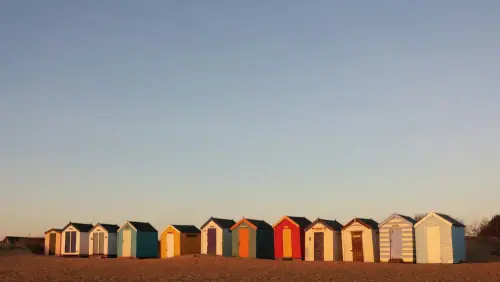
Finish your day in Southwold, one of Suffolk's best-known seaside towns. With its colourful beach huts, historic pier, distinctive lighthouse and traditional architecture, Southwold retains much of the character associated with England's historic coastal resorts.
- Southwold Pier: Explore the traditional pier, with views across the beach and North Sea.
- Southwold Beach: Enjoy the sandy shoreline and colourful beach huts lining the promenade.
- Southwold Lighthouse: Admire the distinctive white lighthouse situated within the town.
- Southwold High Street: Browse independent shops, galleries, cafés and traditional businesses.
- Adnams Brewery: Discover the town's brewing heritage, with tours and visitor experiences subject to availability.
- Southwold Harbour: Explore the working harbour area along the River Blyth, known for its fishing boats and seafood establishments.
Southwold is particularly popular during summer weekends and school holidays. Parking close to the seafront and town centre can be limited, so check designated motorhome parking arrangements before arrival.
Optional excursion: Walberswick
If time allows, consider exploring Walberswick, a traditional coastal village situated across the River Blyth from Southwold. Known for its dunes, marshes, beach and village character, Walberswick offers a quieter alternative to Southwold's main seafront.
- Walberswick Beach: Enjoy the natural shoreline and surrounding dunes.
- River Blyth: Explore the riverside landscape and views towards Southwold Harbour.
- Coastal nature reserves: Discover the surrounding marshland and wildlife habitats.
A seasonal passenger ferry may operate between Southwold and Walberswick. Alternatively, walking routes connect the two areas. Check current crossing arrangements and avoid attempting to use the ferry for motorhome transport.
Where to stay:
Look for an established campsite or touring park around Southwold, Reydon, Wangford or the surrounding Suffolk countryside. Staying in this area provides convenient access to the Suffolk Heritage Coast and positions you for the final day's journey towards Dunwich, Thorpeness and Aldeburgh.
Confirm motorhome access, pitch dimensions, availability and any required facilities before booking. Coastal campsites can be particularly popular during summer and school holidays.
Motorhome travel advice:
Today's journey follows a relatively straightforward southbound route, but town traffic, coastal parking restrictions and narrow village streets can affect journey times.
Lowestoft and Southwold are both popular destinations, so allow sufficient time to find suitable parking. Avoid narrow residential streets and coastal access tracks where motorhome access is uncertain.
Although the route covers a manageable distance, Southwold offers enough attractions to justify spending much of the afternoon exploring on foot rather than adding further driving stops.
Day 4 highlights: Lowestoft's maritime heritage and Ness Point, the open coastline of Kessingland, Southwold's colourful beach huts, historic pier, lighthouse and traditional harbour.
Day 5: Southwold to Aldeburgh - Suffolk Heritage Coast & Coastal Landscapes
Complete your Norfolk and Suffolk Coast motorhome road trip with a journey along the Suffolk Heritage Coast, travelling south from Southwold through Dunwich, the protected landscapes of RSPB Minsmere and the distinctive seaside village of Thorpeness before finishing in Aldeburgh. Today's route offers a quieter coastal experience, combining nature reserves, historic settlements, traditional fishing communities and expansive views across the North Sea.
Stop 1: Southwold
Begin your final morning in Southwold, enjoying the town's traditional seaside atmosphere before continuing south. If you explored the main attractions on Day 4, consider a relaxed walk along the beach or harbour before departing.
- Southwold Beach: Enjoy a morning walk beside the colourful beach huts and sandy shoreline.
- Southwold Pier: Take in views across the North Sea and surrounding coastline.
- Southwold Harbour: Explore the working waterfront and traditional fishing heritage.
Southwold is a popular visitor destination, particularly during weekends and school holidays. Check parking restrictions and allow additional time if travelling during busy periods.
Stop 2: Dunwich & Dunwich Heath
Continue south towards Dunwich, a small coastal village with a remarkable history. Once an important medieval port, much of historic Dunwich was gradually lost to coastal erosion, leaving a quiet settlement surrounded by beaches, woodland and protected landscapes.
Nearby Dunwich Heath, cared for by the National Trust, is known for its heathland, coastal scenery and walking routes.
- Dunwich Heath: Explore open heathland, seasonal heather and established walking trails.
- Dunwich Beach: Enjoy views across the shingle shoreline and North Sea.
- Dunwich Museum: Discover the history of the medieval town and the impact of coastal erosion, subject to opening arrangements.
- Coastal wildlife: Look for birds and other species associated with the heathland and surrounding habitats.
- Historic village: Explore the remaining settlement and its connection to Suffolk's maritime past.
Important coastal advice: Dunwich is an area affected by ongoing coastal erosion. Keep clear of unstable cliff edges, follow established paths and observe local warning signs.
Access to Dunwich Heath and nearby visitor facilities may involve narrow roads and parking restrictions. Check current arrangements and motorhome suitability before travelling.
Stop 3: RSPB Minsmere
Consider visiting RSPB Minsmere, one of Britain's best-known nature reserves. Situated close to the Suffolk coast, Minsmere contains a varied landscape of reedbeds, wetlands, woodland, heathland and coastal habitats.
The reserve is particularly popular with birdwatchers and visitors interested in conservation, offering opportunities to observe wildlife throughout the year.
- Birdwatching: Look for wetland birds and other species associated with the reserve's varied habitats.
- Nature trails: Explore established walking routes through reedbeds, woodland and coastal landscapes.
- Wildlife hides: Use designated viewing areas to observe wildlife with minimal disturbance.
- Visitor facilities: Learn about local conservation work and the reserve's habitats.
- Coastal scenery: Discover the distinctive landscape where freshwater wetlands meet the North Sea.
Minsmere is an optional stop that can occupy several hours if you enjoy wildlife watching or walking. Check current opening arrangements, admission charges and motorhome parking suitability before visiting.
To protect sensitive habitats, remain on designated trails and follow guidance from reserve staff.
Stop 4: Thorpeness
Continue towards Thorpeness, a distinctive coastal village developed in the early twentieth century as a planned holiday resort. Its unusual architecture, peaceful surroundings and artificial boating lake give it a character quite different from the traditional fishing settlements found elsewhere along the Suffolk coast.
- Thorpeness Meare: Discover the shallow boating lake and its surrounding landscape.
- House in the Clouds: View the unusual landmark originally constructed around a water tower.
- Village architecture: Explore the distinctive buildings and planned layout of the seaside settlement.
- Thorpeness Beach: Enjoy the shingle shoreline and open coastal views.
- Village walking: Discover the quiet streets and surrounding countryside on foot.
Thorpeness is a small village with limited parking and some narrow streets. Park in a designated area suitable for your motorhome and explore the village on foot.
Stop 5: Aldeburgh
Finish your five-day journey in Aldeburgh, a historic Suffolk coastal town known for its fishing heritage, cultural connections and distinctive shingle beach. Aldeburgh provides a fitting conclusion to the route, combining traditional seaside character with independent shops, galleries and coastal scenery.
- Aldeburgh Beach: Walk along the shingle shoreline and enjoy views across the North Sea.
- The Scallop: Discover the distinctive steel sculpture by Maggi Hambling, inspired by composer Benjamin Britten.
- Fishing boats: See traditional fishing vessels and the town's continuing maritime heritage.
- Aldeburgh High Street: Explore independent shops, galleries, cafés and local businesses.
- Local seafood: Discover Aldeburgh's longstanding association with freshly caught fish and traditional fish and chips.
- Historic architecture: Explore buildings reflecting the town's development as a fishing community and seaside destination.
Aldeburgh is closely associated with composer Benjamin Britten and the wider cultural heritage of the Suffolk coast. Visitors interested in music and the arts may also wish to explore nearby Snape Maltings if extending their journey.
Parking can be limited during busy visitor periods, and some streets are unsuitable for larger vehicles. Check designated motorhome parking arrangements before arrival.
Where to stay:
If extending your journey, look for an established campsite or touring park around Aldeburgh, Thorpeness, Leiston or the surrounding Suffolk countryside. These locations provide opportunities to explore the Suffolk coast further before beginning your return journey.
Confirm motorhome access, pitch dimensions, availability and any required facilities before booking. Coastal campsites can become particularly busy during the summer months.
Motorhome travel advice:
Today's route passes through environmentally sensitive coastal landscapes, including protected heathland, wetlands and areas affected by coastal erosion. Use established roads, follow local restrictions and avoid driving onto beaches, informal tracks or protected land.
Dunwich, Minsmere and Thorpeness may involve narrow approach roads or limited visitor parking. Check current access arrangements before travelling and consider prioritising fewer destinations if you would prefer more time for walking or wildlife watching.
Planning your return journey:
Aldeburgh marks the end of this five-day point-to-point itinerary, rather than the end of your motorhome hire. If travelling with roadtrippin365 from Christchurch, Dorset, allow additional time for the journey to Norfolk and the return journey from Suffolk.
Remember that roadtrippin365 operates fixed Pickup at 14:00 and Return at 10:30. Plan your final overnight stop and return journey accordingly.
Day 5 highlights: The historic lost town of Dunwich, the heathland landscapes of Dunwich Heath, wildlife watching at RSPB Minsmere, Thorpeness Meare and the House in the Clouds, and Aldeburgh's traditional fishing heritage and coastal scenery.
Norfolk & Suffolk Coast - Motorhome Travel Planning Guide
Planning a Norfolk and Suffolk Coast motorhome road trip gives you the freedom to explore East Anglia's beaches, historic fishing villages, nature reserves and traditional seaside towns at your own pace. From the salt marshes of North Norfolk to the Suffolk Heritage Coast, careful preparation will help you enjoy the region's distinctive landscapes while travelling comfortably and responsibly.
Best time to visit the Norfolk and Suffolk Coast:
The Norfolk and Suffolk coastline can be explored throughout the year, although each season offers a different experience.
- Spring (March to May): A good time for coastal walking, birdwatching and exploring villages before the busiest holiday period. Temperatures can remain cool, particularly near the sea.
- Summer (June to August): Longer daylight hours and generally warmer conditions make this a popular period for beaches, outdoor activities and seaside attractions. Campsites and visitor parking can be busy.
- Autumn (September to November): Often a quieter period for coastal exploration, with opportunities for wildlife watching and enjoying the changing landscapes.
- Winter (December to February): A distinctive time to experience the coast, particularly for birdwatching and seasonal grey seal activity around Horsey. Expect shorter daylight hours, colder weather and reduced opening times at some attractions.
For a balance of comfortable touring conditions and fewer visitors, late spring and early autumn are particularly appealing. Check weather forecasts and seasonal attraction opening arrangements before departure.
Driving a motorhome along the Norfolk and Suffolk coast:
Much of the route follows established roads between towns and villages, but smaller coastal settlements may have narrow streets, restricted parking and limited turning space.
- Check vehicle dimensions: Be aware of your motorhome's height, width and length when approaching bridges, narrow roads and restricted access routes.
- Use suitable roads: Prioritise established routes rather than relying exclusively on the shortest journey suggested by satellite navigation.
- Plan coastal parking: Check whether visitor car parks permit motorhomes before travelling, particularly around popular beaches and historic villages.
- Allow additional time: Summer traffic, narrow roads and busy visitor destinations can affect journey times.
- Avoid unsuitable shortcuts: Rural lanes and coastal access roads may offer limited passing places or turning opportunities.
- Check local restrictions: Parking rules, height barriers and vehicle access arrangements can change seasonally.
Particular care is recommended around Brancaster, Burnham Market, Holkham, Blakeney, Horsey, Southwold, Dunwich and Thorpeness.
Campsites and overnight stays:
The Norfolk and Suffolk coastline offers a range of established campsites, touring parks and rural accommodation options. Staying at designated motorhome facilities provides access to essential services while reducing pressure on sensitive coastal environments.
- Day 1: Wells-next-the-Sea, Holkham or the surrounding North Norfolk countryside.
- Day 2: Cromer, Sheringham or nearby rural touring parks.
- Day 3: Great Yarmouth, Caister-on-Sea or the surrounding countryside.
- Day 4: Southwold, Reydon, Wangford or nearby Suffolk villages.
- Day 5: Aldeburgh, Thorpeness, Leiston or the surrounding Suffolk countryside if extending your stay.
Before booking, confirm that your chosen campsite accepts your motorhome's dimensions and provides any required facilities, including electric hook-up, fresh water, waste disposal and toilet cassette emptying.
Advance booking is recommended during school holidays, bank holiday weekends and the summer season.
Wild camping and overnight parking:
Do not assume that overnight motorhome parking is permitted in coastal car parks, lay-bys, harbour areas or nature reserves. Restrictions vary between locations and may prohibit sleeping in vehicles even where daytime parking is allowed.
Use established campsites or designated overnight facilities where permission has been confirmed. Always follow local signage, avoid obstructing access and dispose of waste responsibly.
Coastal wildlife and seal watching:
Norfolk and Suffolk contain important protected habitats, including salt marshes, reedbeds, dunes, heathland and wetlands. Responsible wildlife watching is essential to protecting these environments.
- Blakeney Point: Organised seal-watching boat trips commonly depart from Morston Quay. Check tide-dependent departure times and operator availability.
- Horsey Gap: An important grey seal breeding area, particularly during autumn and winter. Follow seasonal restrictions and instructions from wildlife wardens.
- Cley Marshes: Explore designated wildlife-watching areas and established reserve trails.
- Norfolk Broads: Observe waterbirds and wetland wildlife without disturbing nesting areas or sensitive habitats.
- RSPB Minsmere: Use designated paths and viewing hides to observe wildlife responsibly.
Never approach, touch or feed seals. Keep a safe distance from wildlife, particularly mothers and pups, and use designated viewing areas wherever provided.
Beach access, tides and coastal erosion:
The coastline of Norfolk and Suffolk is continually shaped by tides, weather and erosion. Some beaches have extensive tidal areas, while others are bordered by dunes, cliffs or salt marshes.
- Check tide times: Be particularly careful around Brancaster, Wells-next-the-Sea, Blakeney and other tidal coastal locations.
- Observe access restrictions: Coastal roads and car parks may be affected by flooding or seasonal closures.
- Avoid unstable cliffs: Keep away from cliff edges and the base of eroding cliffs, particularly around Dunwich and other erosion-prone areas.
- Use established paths: Avoid crossing protected dunes, salt marshes or fragile habitats outside permitted routes.
- Monitor coastal weather: Strong winds, heavy rain and storm surges can affect access and walking conditions.
Never drive a motorhome onto beaches, dunes or informal coastal tracks unless vehicle access is explicitly permitted and suitable.
Fuel, supplies and essential facilities:
Larger towns such as Hunstanton, Cromer, Great Yarmouth and Lowestoft offer opportunities to purchase groceries, refuel and obtain essential supplies. Smaller coastal villages may have fewer facilities or limited opening hours.
- Fuel: Refuel in larger towns rather than relying on smaller coastal settlements.
- Groceries: Stock up before travelling through quieter sections of coastline.
- Fresh water: Use designated campsite or motorhome service facilities.
- Waste disposal: Empty grey water and toilet cassettes only at approved facilities.
- Connectivity: Mobile reception may vary in rural and coastal locations.
Check the locations of essential services before departure, particularly if travelling outside the main holiday season.
Walking and outdoor activities:
The Norfolk and Suffolk coastline offers a variety of outdoor experiences, from short harbour walks to longer routes through protected coastal landscapes.
- Norfolk Coast Path: Explore sections of the coast between traditional villages, beaches and nature reserves.
- Holkham: Discover woodland trails, dunes and expansive coastal scenery.
- Norfolk Broads: Enjoy waterside walks and organised boat excursions.
- Dunwich Heath: Explore established heathland and coastal walking routes.
- RSPB Minsmere: Follow designated nature trails through varied habitats.
- Suffolk Coast Path: Discover sections of the coastline around Southwold, Dunwich and Aldeburgh.
Wear suitable footwear, check local access information and carry appropriate clothing for changing coastal weather conditions.
Travelling with dogs:
Many sections of the Norfolk and Suffolk coastline are suitable for exploring with dogs, although restrictions may apply on beaches, nature reserves and wildlife-sensitive areas.
- Check seasonal dog restrictions before visiting individual beaches.
- Keep dogs under close control around livestock, nesting birds and protected habitats.
- Follow wildlife protection rules around seal colonies, particularly at Horsey.
- Confirm campsite pet policies before booking.
- Carry drinking water and avoid prolonged exposure to hot sand or strong summer sun.
roadtrippin365 welcomes dogs, with a charge of £50 per dog and a maximum of two dogs per booking. Cats are not permitted.
Planning your journey from Dorset:
roadtrippin365 is based in Christchurch, Dorset, providing a convenient starting point for exploring the UK by motorhome or campervan.
The Norfolk and Suffolk Coast itinerary begins in Hunstanton and finishes in Aldeburgh. As this is a five-day point-to-point route, additional travel time should be allowed to reach Norfolk from Dorset and return from Suffolk.
For a more relaxed journey, consider adding overnight stops before reaching Hunstanton and after leaving Aldeburgh, particularly if you would prefer to avoid long driving days.
roadtrippin365 operates fixed Pickup at 14:00 and Return at 10:30. Ensure your travel plans accommodate these times, including sufficient time to return to Christchurch.
All roadtrippin365 motorhome and campervan hires include unlimited mileage, allowing you to plan your route without a mileage allowance. Minimum hire periods vary by season.
Final planning advice:
The Norfolk and Suffolk Coast is best explored at a considered pace, allowing time for beach walks, wildlife watching, historic villages and coastal scenery. Although the route covers five days, extending your journey can provide greater flexibility, particularly if you plan to include boat excursions or longer nature reserve visits.
Before travelling, check campsite availability, parking restrictions, tide times, weather forecasts and seasonal attraction opening arrangements. With suitable preparation, this itinerary offers a balanced introduction to the landscapes and coastal heritage of East Anglia.
Explore the Norfolk & Suffolk Coast - With roadtrippin365
Discover the Norfolk and Suffolk Coast with roadtrippin365, a premium motorhome and campervan hire company based in Christchurch, Dorset. From the expansive beaches of North Norfolk to the traditional fishing towns of the Suffolk Heritage Coast, travelling by motorhome provides the flexibility to explore East Anglia at your own pace.
Our vehicles combine comfortable living spaces with the practicality of independent travel, allowing you to discover coastal villages, nature reserves and historic seaside destinations while enjoying the convenience of having your accommodation with you.
Why choose roadtrippin365?
- Modern motorhomes and campervans: Choose from a range of vehicles designed for comfortable UK and European road trips.
- Unlimited mileage: Explore Norfolk, Suffolk and the wider UK without a mileage allowance.
- Comfortable onboard facilities: Enjoy dedicated sleeping, cooking and living spaces throughout your journey. Bedding is not provided, so remember to bring your own.
- Virtual handovers: Access structured vehicle guidance to help you prepare for your hire.
- Freedom to explore: Create your own itinerary, choose suitable campsites and travel at a pace that works for you.
Plan your Norfolk and Suffolk journey:
Our suggested five-day itinerary begins in Hunstanton and finishes in Aldeburgh, travelling through the North Norfolk coast, the Norfolk Broads and the Suffolk Heritage Coast.
As roadtrippin365 is based in Christchurch, Dorset, we recommend allowing additional travel days to reach Norfolk and return from Suffolk. Extending your hire also provides more time for coastal walks, wildlife watching and exploring destinations along the route.
Our fixed Pickup time is 14:00 and Return time is 10:30. Minimum hire periods vary by season, so consider these arrangements when planning your journey.
Whether you're planning a coastal escape or incorporating East Anglia into a longer UK road trip, explore our available motorhomes and campervans to find the right vehicle for your travels.
Explore Motorhomes & Campervans