
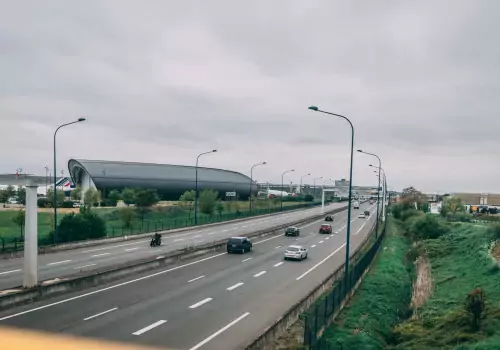
Driving from the UK into Europe in a motorhome gives you complete freedom to travel on your terms. But each country has its own rules around tolls, emissions zones and documentation.
This guide explains what you need to know before you go, so your European motorhome travel feels straightforward and stress-free.
Toll Roads in Europe
Many European countries operate toll motorways. Charges vary depending on vehicle size, weight and distance travelled.
Motorhomes are often classified differently from cars, so it’s important to check how your vehicle will be categorised before you travel.
Countries with Common Toll Systems
- France – Pay-as-you-go motorway toll booths.
- Spain – Mix of toll and free motorways.
- Italy – Ticketed entry and exit system.
- Portugal – Predominantly electronic toll roads.
- Switzerland – Annual motorway vignette required.
- Austria – Time-based vignette plus additional alpine tolls.
In France and Italy, you typically collect a ticket when entering the motorway and pay when exiting. Payment can be made by card or cash.
Portugal is more complex, with electronic-only sections. Visitors must register their vehicle or arrange temporary toll payment in advance.
When planning your route, factor toll costs into your overall travel budget. In some cases, scenic non-toll roads offer a more relaxed and rewarding drive.
For country-specific advice, visit our European motorhome travel guides.
Low Emission and Environmental Zones
Many European cities operate Low Emission Zones (LEZ) or environmental restrictions to reduce air pollution. These often require advance registration or the purchase of a local emissions sticker.
Examples of Emissions Zone Requirements
- France – Crit’Air windscreen sticker required in many cities.
- Germany – Umweltplakette emissions badge required for city centres.
- Belgium – Some cities require online vehicle registration before entry.
- Italy – ZTL (Limited Traffic Zones) in historic centres.
Restrictions vary by city and vehicle type. Fines can be issued automatically using camera systems.
If you plan to visit major cities, check local rules carefully before arrival. Alternatively, many travellers choose campsites just outside urban areas and use public transport to access city centres.
Documents You Must Carry
When driving a motorhome in Europe, you are legally required to carry certain documents at all times.
Essential Paperwork
- Valid passport
- Full UK driving licence
- Motor insurance certificate
- Vehicle V5C registration document
- GHIC (Global Health Insurance Card)
- Travel insurance documentation
If you are hiring a motorhome from roadtrippin365, we provide all relevant vehicle documentation as part of your handover.
You should also check whether your destination country requires an International Driving Permit (IDP). Most EU countries do not require one for UK licence holders, but it is always worth confirming before travel.
Equipment Required by Law
Some countries require specific safety equipment to be carried in your vehicle.
- Warning triangle
- Reflective high-visibility jackets
- Headlamp beam deflectors
- Breathalysers (in some regions)
- Winter tyres or snow chains (seasonal in alpine areas)
When hiring from roadtrippin365, we will advise you on current legal requirements based on your route.
Border Crossings and Travel Planning
Since Brexit, UK travellers can stay in the Schengen Area for up to 90 days within any 180-day period.
Your passport must have been issued within the last 10 years and be valid for at least three months beyond your planned return date.
Allow extra time at borders during peak travel periods, especially in summer.
Plan With Confidence
European motorhome travel is straightforward when you prepare in advance. Understanding toll systems, emissions rules and documentation ensures your journey runs smoothly.
If you are considering motorhome hire UK for a European tour, explore our fleet or book online to begin planning.
Our team is always available to help you prepare for travel across Europe.